



Playing early language courses in interest schools for children - vocabulary and self-confidence grows by playing

Why does a playful early language learning work?
The playful language learning combines a critical period of natural curiosity and language development of a child, providing a safe and happy environment where small students discover new words and sounds. Early language learning focuses on the development of listening and speaking skills and provides a solid basis for further learning through the game, songs and movement.
Who benefits from this?
The program is designed for pre-school children and mud children who start their language journey or want to strengthen the existing vocabulary. Suitable for both the development of a domestic language and the early introduction of another language - ideal for children who study actively in group work and enjoy creative activities.
Principal characteristics and methodology
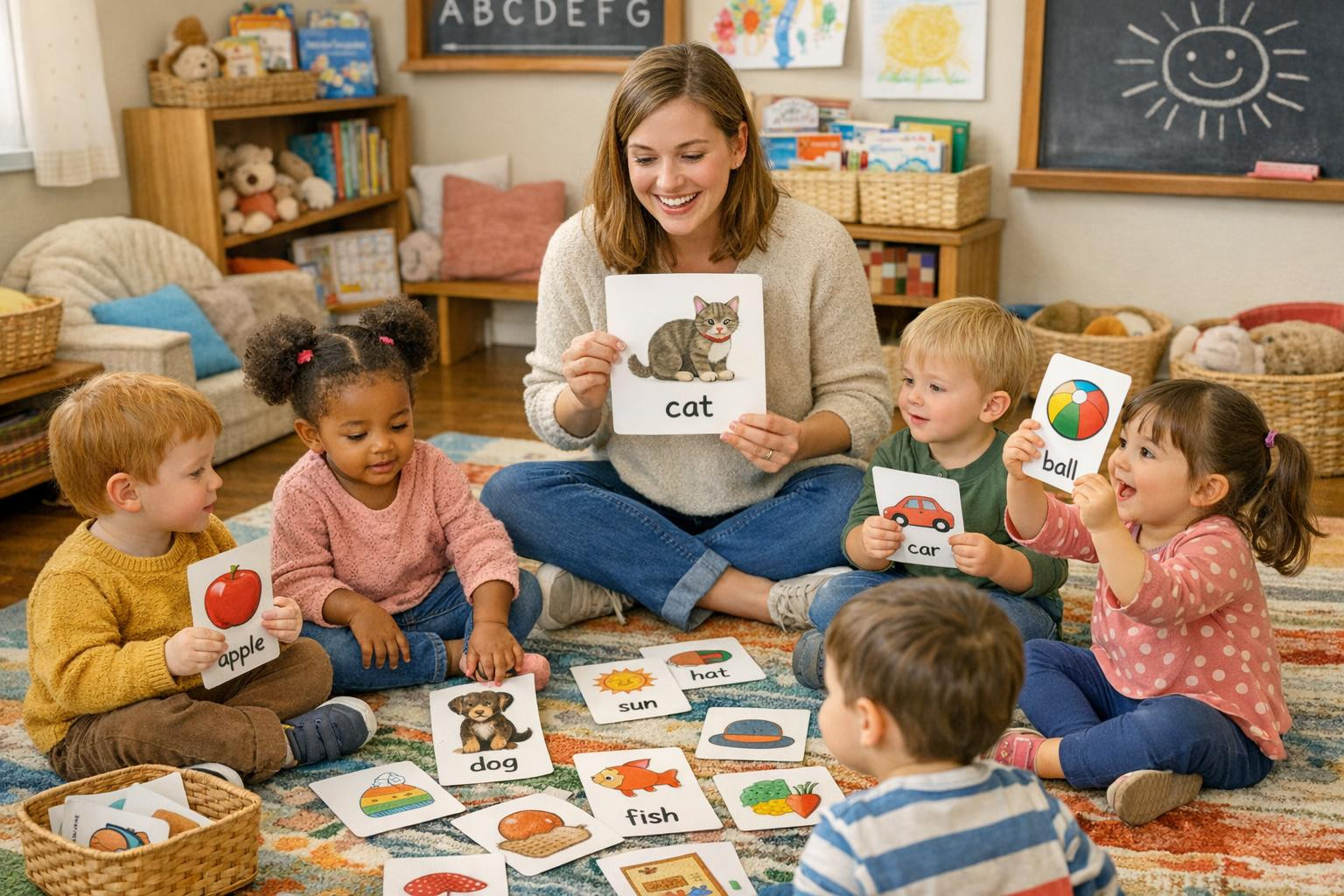
Learning is based on a playful approach and structured exercises that help the child to secure the vocabulary without tension and fear. The programme focuses on songs and rhymes in language learning, visual games, narrative and simple role-playing games that support reliable development.
- Small groups - individual attention and encouraging atmosphere.
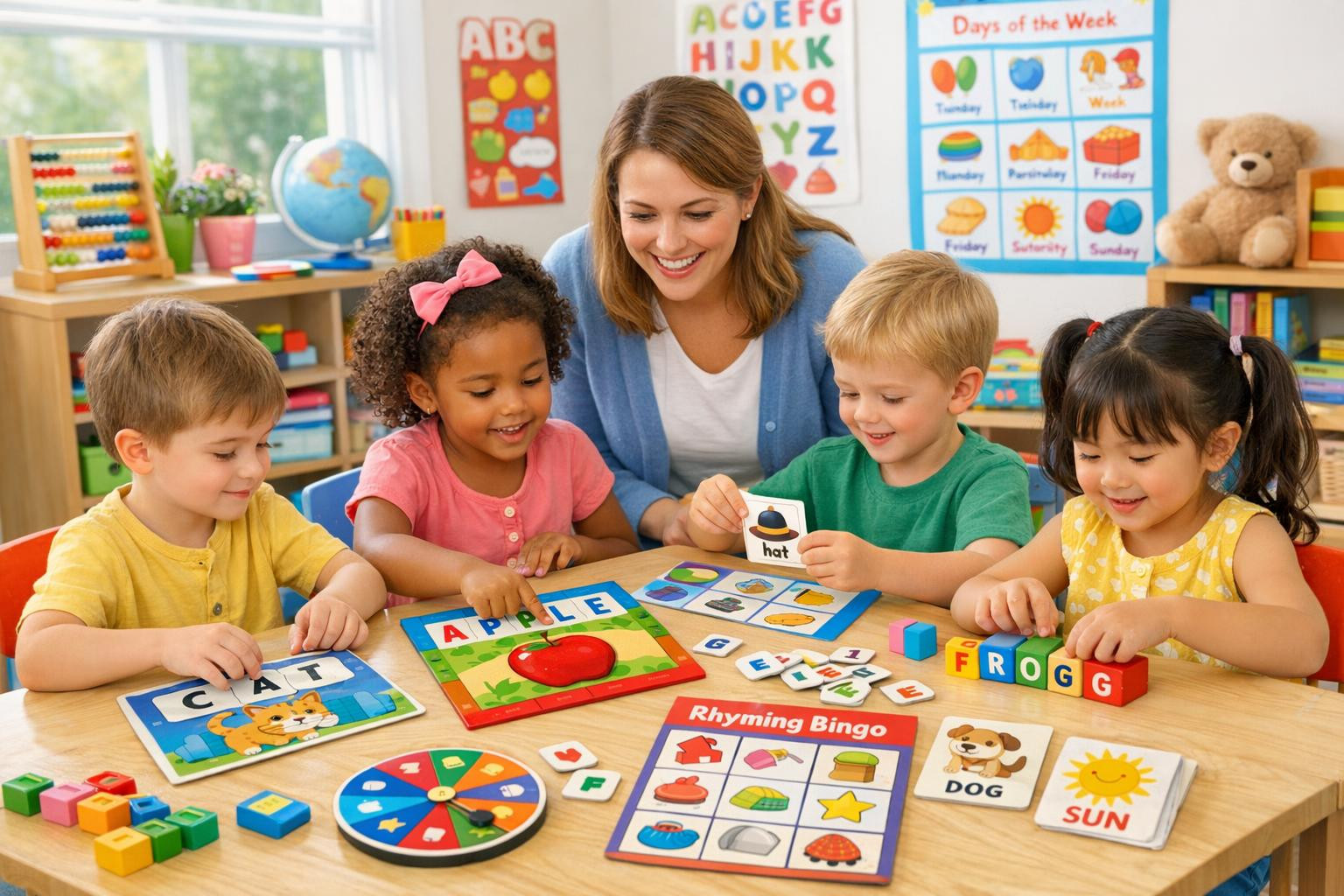
- Interactive activities - hands-on games, competitions and mastery.
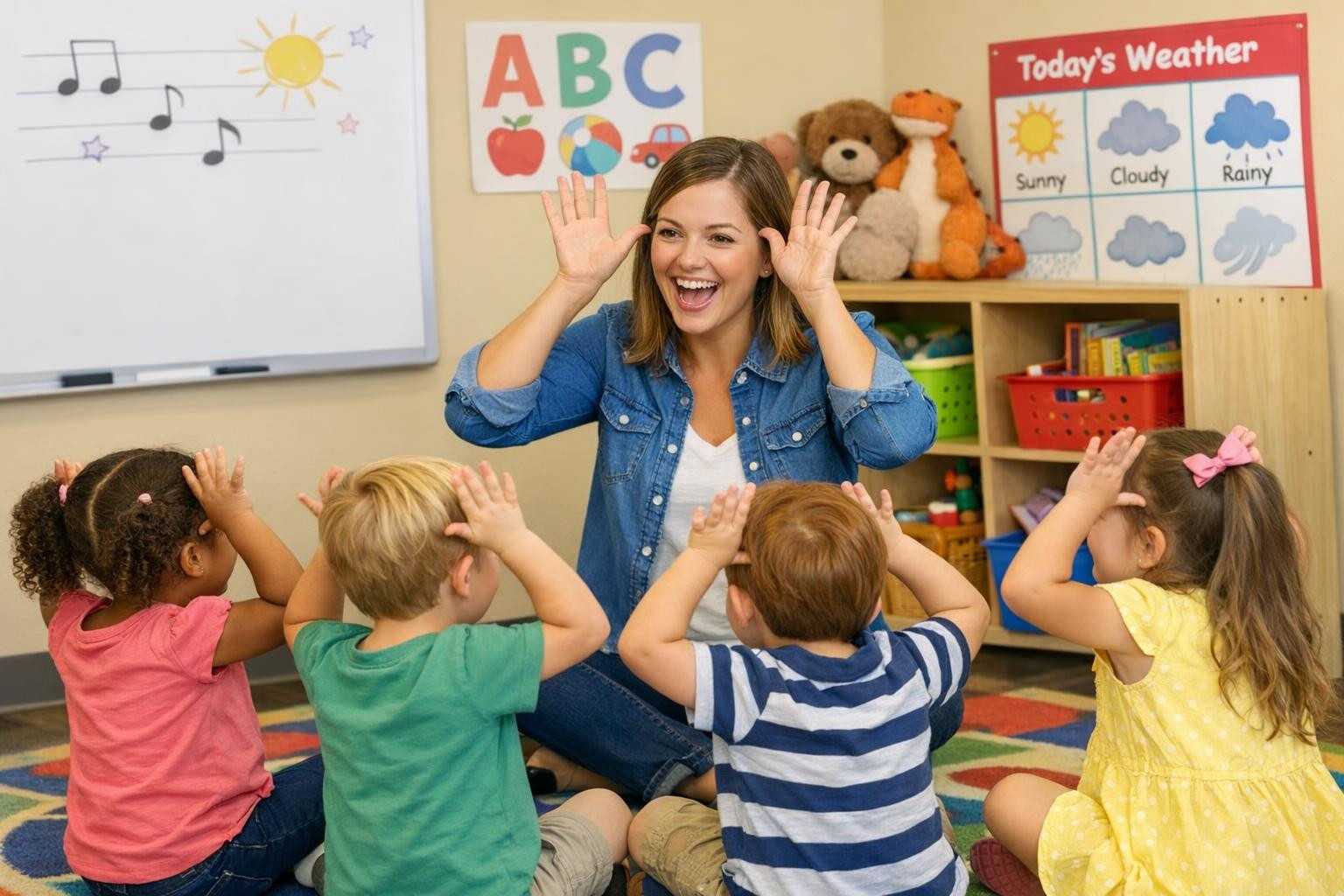
- Music and rhythm - songs and rhymes accelerate the acquisition of sounds and phrases.
- <Structured consistency - repeating and measuring progress using small techniques.
What results?
The course increases the courage of communication, improves pronunciation and supports social skills through group activities. Specifically, the development of vocabulary contributes to a sustained increase in language skills and confidence.Why choose this approach?
The speciality of the field is the emphasis on playfulness and motivation of the child - learning is not a duty, but a discovery trip. Unlike traditional hourly work, this method supports natural listening and speech development through joy and movement. The language courses of interest schools for children bring together professional tutors, through the application of tested methods and a child-centred approach.
How to start?
Registration is easy: join a small group, come to a test course or ask for an individual consultation to choose the appropriate level. The curriculum is adapted to the child's age and language level in order to achieve maximum development in the short term.
Summary: which makes it special
Play language learning in combination with songs, rhymes and group-based exercises creates a lasting and positive experience of language learning. It not only teaches words - it creates the basic strong skills of communication, listening and confidence that will remain with the child for life. If the goal is early language learning, which is fun, effective and practical, then this approach will yield results.
Invite the child to the test class to look at the results and enjoy the growth of the first words playing.
Comments (0)