SMART KIDS OÜ

Media page and news feed
?
What does playful language learning offer? <The playful language learning  is an approach where language learning takes place through active and joyful activ

Gaming language learning for children - fun vocabulary and confident communication

What does playful language learning offer?

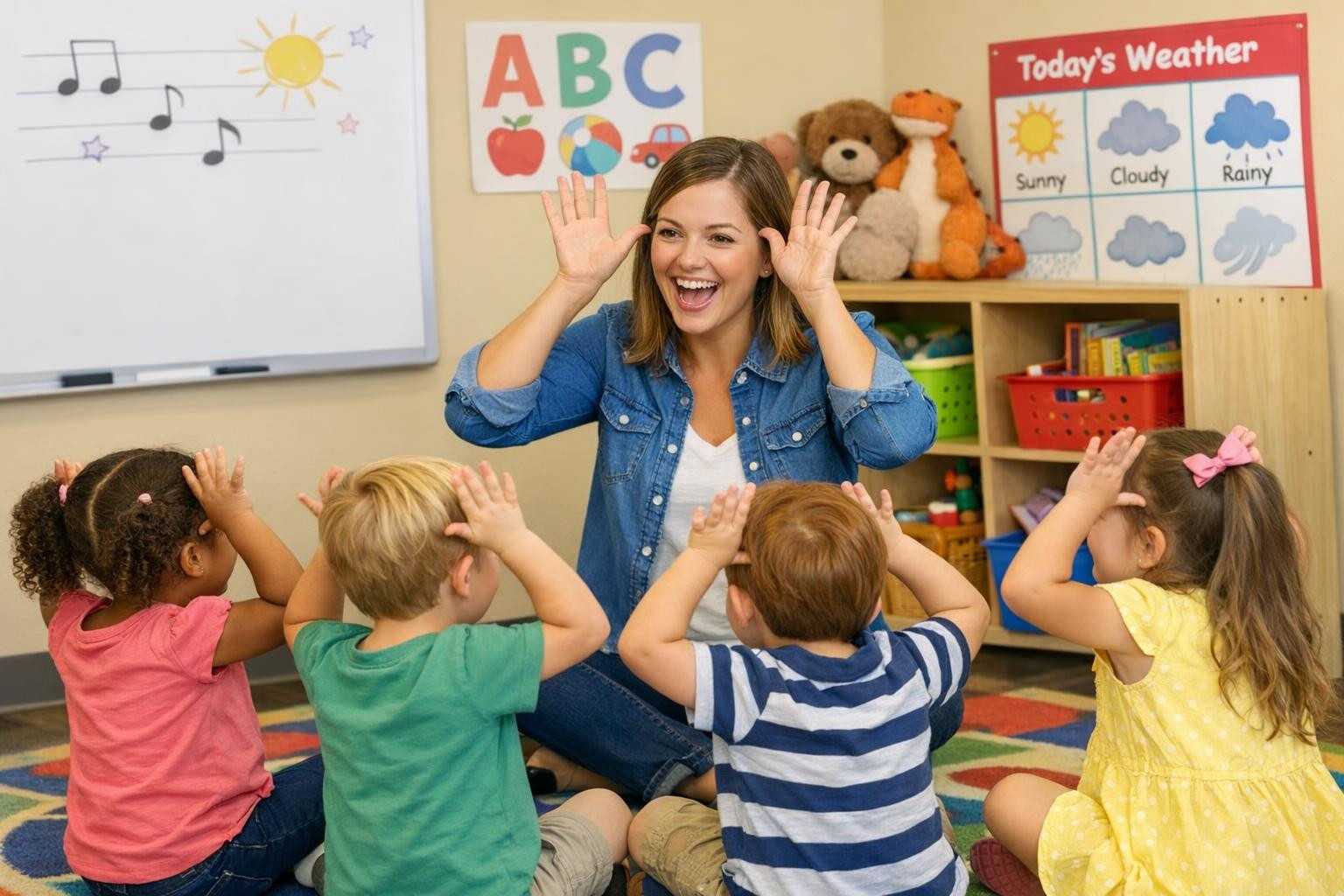
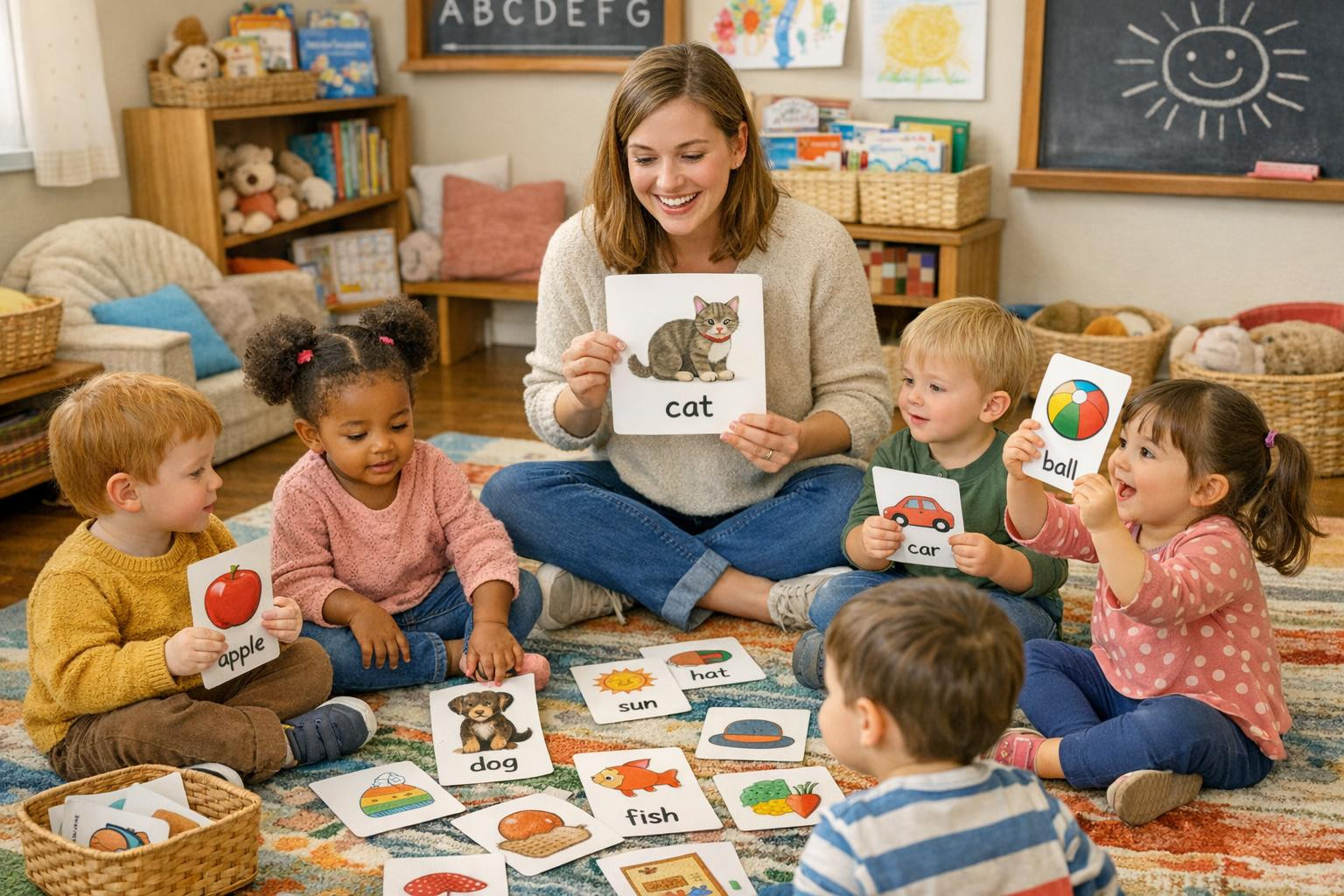
<The playful language learning is an approach where language learning takes place through active and joyful activities that attract the attention of the child and support the natural acquisition. The hours are structured in such a way that language exercises through games become a fun habit: songs, rhythm games, movement tasks and creative narratives give context to a new vocabulary and encourage communication.

Who is suitable?

Ideal choice is especially for mud kids and primary class kids, but also for those who need language practice in a playful format. Sessions offered to a family, kindergarten or a small study group support the development of children of different ages in a unique way – just through the game you learn longer and happier.

Why is it valuable?

  • Better preservation: amplification of memory content, because words and phrases are immersed through activity and emotion.
  • Improved motivation: fun activities keep interest high and reduce learning resistance.
  • Social learning programme
  • contains structured learning materials that are relevant to the child's rhythm and interests. social skills. strong> Difference is created by:

    1. >Focus on the game: every hour is a clear playful goal and a small success point that motivates further learning.
    2. Different age group activities: methods and games are adapted to both modidates and beginners.
    3. Teachers' will and training: instructors use game-based pedagogy and are able to create a safe atmosphere.
    4. Flexibility: can be chosen for group hours, individual hours or short work-style sessions on the online platform.
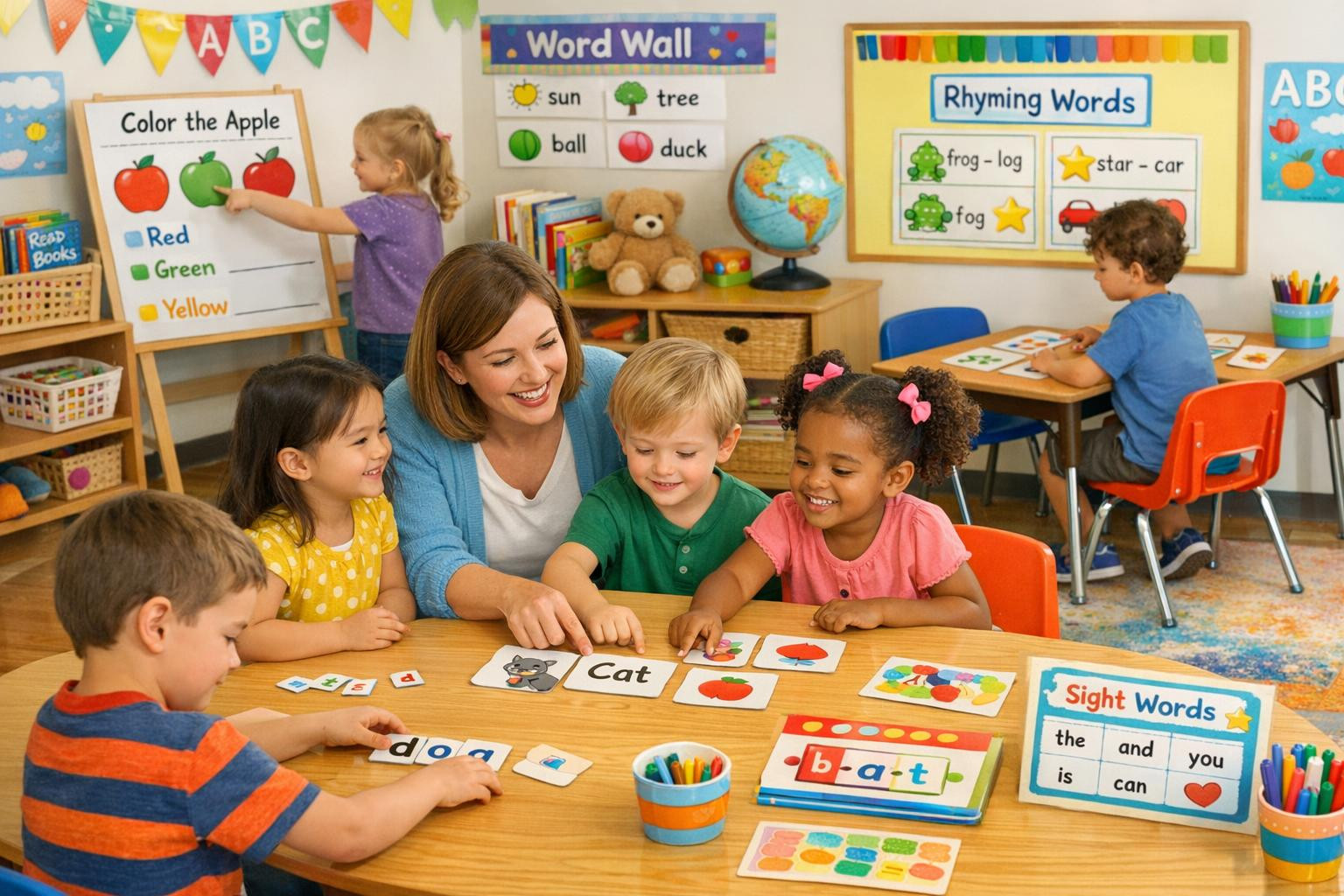
    5. <Additional materials are used as a practice: This repetitive and versatile approach supports the natural growth of language skills and reduces fear of mistakes.

      Why choose this approach?

      Studies and practical experience show that language games for mudilin improve learning results faster than traditional methods - permanent learning routines are born with the involvement of child curiosity and gaming. In addition, the approach is customizable for every child: the pace of learning and the severity of the games will change according to development.

      If the aim is natural, happy and effective language learning, which increases both vocabulary and self-confidence, then the game-based approach will yield results that are easy to observe and whose usefulness is recognised by both children and parents.

      Find a rehearsal lesson, join the group or bring games home - a step that will transform language learning into a playful adventure.
Comments (0)


Are you sure you want to delete this article?

Dropdown

all articles

Early language learning: establishing a strong linguistic basis in pre-school age

Creative and science-based early language learning for pre-school age     Early language learning  focuses on the natural curiosity and playful learning of Mode
ssb.ee
Creative and science-based early language learning for pre-school age Early language learning focuses on the natural curiosity and playful learning of Moderns in order to shape lifelong language interest and strong communication skills. Through integrated listening and speaking exercises, the development of vocabulary, the strengthening of sound perception and self-confidence in daily communication are born - exactly what is sought for the organisation of high-quality language training for pre-school age . For whom The fundamentally adapted activities are intended for children

Playing early language courses in interest schools for children - vocabulary and self-confidence grows by playing

Why does a playful early language learning work?   The playful language learning combines a critical period of natural curiosity and language development of a c
ssb.ee
Why does a playful early language learning work? The playful language learning combines a critical period of natural curiosity and language development of a child, providing a safe and happy environment where small students discover new words and sounds. Early language learning focuses on the development of listening and speaking skills and provides a solid basis for further learning through the game, songs and movement. Who benefits from this? The program is designed for pre-school children and mud children who start their language journey or want to strengthen the existing vocabulary.

Interested school hours: fun and structured language learning for children in group hours

Interest school classes  offer playful and result-based  Interest school language courses for children , where language classes in small groups are designed to
ssb.ee
Interest school classes offer playful and result-based Interest school language courses for children , where language classes in small groups are designed to support the development of the child. Songs, rhymes and communication exercises focus attention, encourage active participation and speed up the development of conversation skills at an early age. Who benefits from this? Ideal choice for the age of 3-10 years: both students who need supervised language playground, as well as pre-school and primary school children who want to speak more boldly and supplement the vocabulary. The

Are you sure you want to delete this article?

Loader

Loader

App Ad

Scorestorybook Chrome extension

The Storybook extension tells you which company's website you are currently on and how reliable that company is today. download extension

See the background of the caller! Storybook App brings you direct contacts for 400,000 Estonian companies and individuals (managers, officials). The data is enriched with solvency and financial information.