


Top trends in modern building design

In the ever-evolving world of architecture and construction, modern building design is continuously being reshaped by new trends that emphasize sustainability, technology, and functionality. These trends are not only transforming the way buildings are constructed but also how they are perceived and utilized by their inhabitants. For property developers, homeowners, and businesses, staying abreast of these trends is crucial to ensure that their projects are both innovative and aligned with current market demands.
2. Sustainable and Eco-Friendly Design
The use of sustainable materials is at the forefront of modern building design. Materials such as bamboo, recycled steel, and reclaimed wood are gaining popularity due to their minimal environmental impact and durability. These materials not only reduce the carbon footprint of a building project but also contribute to healthier indoor environments.
Energy-efficient design is a key component of sustainable building practices. This includes the integration of solar panels, energy-efficient windows, and high-performance insulation. These elements work together to reduce energy consumption and lower utility costs, making buildings more sustainable and cost-effective in the long run.
Water conservation is another critical aspect of eco-friendly design. Modern buildings are increasingly incorporating systems such as rainwater harvesting, greywater recycling, and low-flow fixtures to minimize water usage and promote sustainability.
3. Smart Technology Integration
The integration of smart technology in building design is revolutionizing the way we interact with our living and working spaces. Home automation systems allow for the control of lighting, heating, security, and entertainment systems through a single interface, enhancing convenience and energy efficiency.
The Internet of Things (IoT) is playing a significant role in modern building management. IoT devices can monitor and optimize building systems in real-time, improving operational efficiency and reducing maintenance costs. This technology is particularly beneficial for large commercial buildings where energy management is a priority.
4. Minimalist and Functional Aesthetics
Minimalist design is characterized by simplicity and functionality. Open floor plans are a popular trend, as they create a sense of spaciousness and flexibility. This design approach allows for easy adaptation of spaces to suit different needs, making it ideal for both residential and commercial buildings.
Modern buildings are increasingly incorporating multi-functional spaces that can serve various purposes. This trend is driven by the need for efficiency and adaptability in urban environments where space is often limited.
5. Use of Natural Light and Ventilation
Maximizing natural light is a key trend in modern building design. Large windows and skylights not only enhance the aesthetic appeal of a building but also reduce the need for artificial lighting, contributing to energy savings.
Effective ventilation is essential for maintaining indoor air quality and comfort. Cross ventilation techniques, which involve strategically placed windows and vents, allow for natural airflow throughout a building, reducing reliance on mechanical ventilation systems.
6. Modular and Prefabricated Construction
Modular construction is gaining traction due to its efficiency and cost-effectiveness. This approach involves constructing building components off-site and assembling them on-site, reducing construction time and waste.
Prefabrication techniques are continually evolving, with innovations such as 3D printing and advanced robotics enhancing the precision and quality of prefabricated components. These advancements are making modular construction a viable option for a wide range of building projects.
7. Adaptive Reuse and Renovation
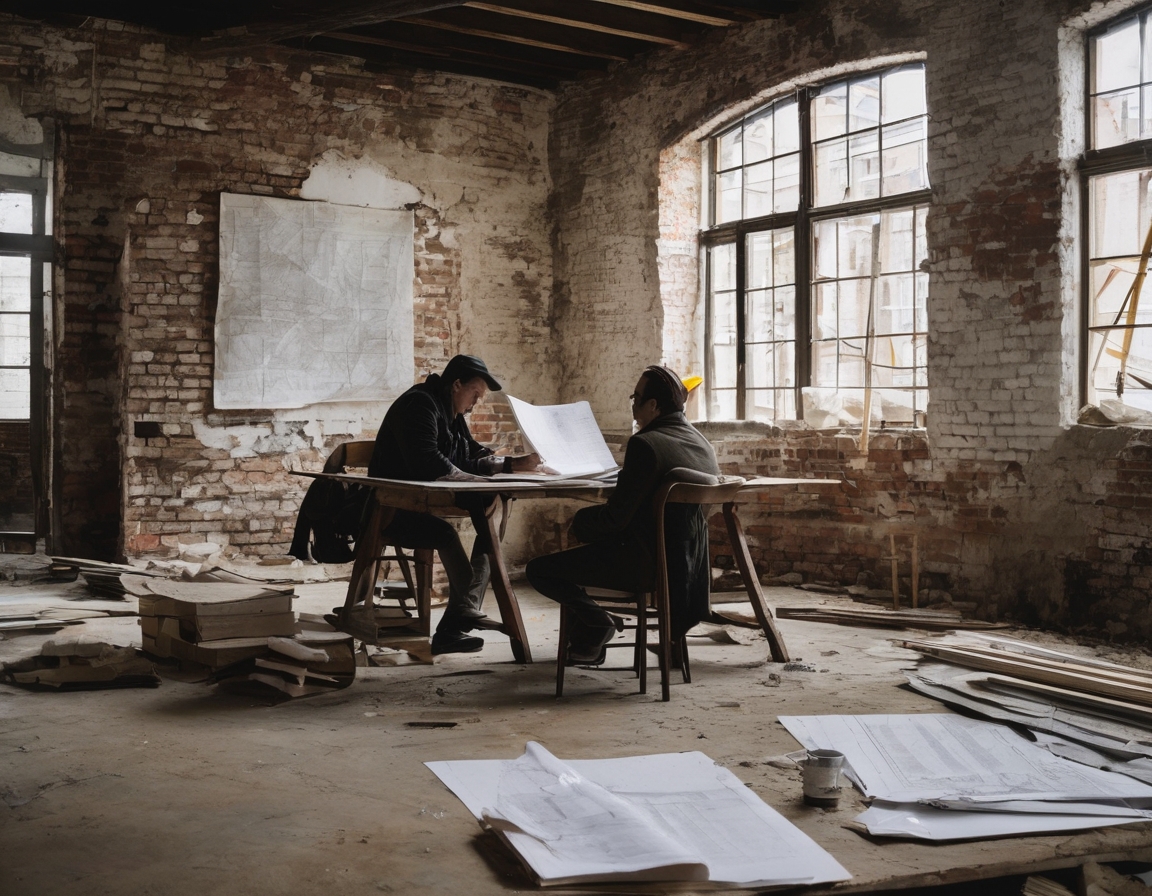
Adaptive reuse involves repurposing existing buildings for new uses, preserving their historical and architectural significance while meeting modern needs. This trend is particularly relevant in urban areas where space is limited and the demand for sustainable development is high.
Renovation and preservation of architectural heritage are becoming increasingly important as communities seek to maintain their cultural identity. Modern building design incorporates innovative techniques to restore and enhance historical structures, ensuring their longevity and relevance in contemporary society.

Comments (0)